■ System Introduction
The NseaEMS-MG energy management system for source grid load storage microgrids relies on intelligent IoT communication technology and time-series database technology architecture to help industrial production enterprises expand production while planning and utilizing electricity reasonably, reducing unit product energy consumption, improving economic efficiency, and reducing CO2 emissions.
■ System objectives
Optimize operation and maintenance: Through modern information technology such as full lifecycle management of electrical equipment, optimization of spare parts, equipment health assessment, and intelligent work orders, improve operation and maintenance efficiency, reduce operation and maintenance personnel, and lower operation and maintenance costs.
Efficient and energy-saving: By analyzing energy efficiency and other methods, abnormal energy consumption can be revealed, and wasteful energy consumption can be identified. Energy efficiency optimization strategies can be adopted to conduct energy-saving analysis and management, promote the implementation of energy-saving measures, and tap into the energy-saving potential of enterprises. And dynamically track and continuously improve, striving to find the most suitable energy-saving operation mode for the characteristics of the enterprise, and contribute to the "energy-saving and consumption reduction" of the enterprise through information technology.
Fine energy consumption: By using various methods to statistically analyze energy consumption data from different dimensions, managers can clarify their energy structure, energy efficiency, and energy costs, providing decision-making basis for energy management.
Reliable energy supply: By monitoring energy flow, management personnel can uniformly monitor and dispatch various energy networks, energy equipment, energy media, etc., effectively ensuring energy supply and ensuring energy safety.
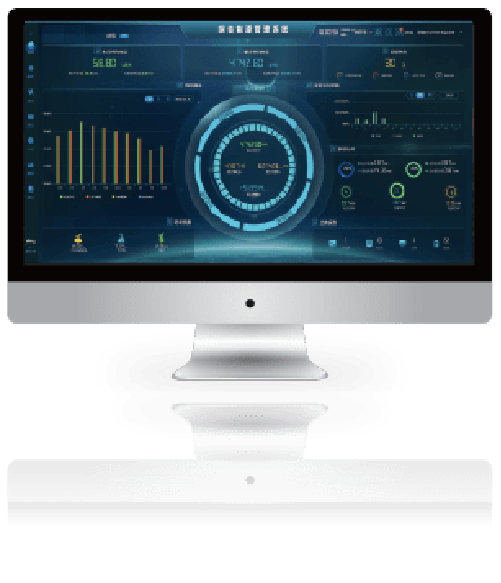
■ System interface
■ Functional modules
• Panoramic display
The system can achieve real-time collection of various data such as comprehensive energy system operation information and switch status information in different regions, and provide visual display from overview to specific information. It can fully leverage the advantages of 7 × 24-hour online monitoring to achieve panoramic monitoring of energy applications in the region in all time domains and dimensions.
• Multi energy complementarity
By coordinating within the region, the goal is to achieve maximum consumption and utilization of renewable energy, optimize energy demand and production supply, and optimize resource allocation through the coordination and interaction of "source network load", thus realizing the "clean substitution" and "energy conservation and environmental protection" of the entire regional energy network.
Intelligent operation and maintenance
By using intelligent and information-based methods, the full lifecycle management of equipment can be achieved, including equipment status assessment and fault warning. Improve operational efficiency and reduce operational costs.
Energy efficiency analysis
Calculate the electricity consumption, power generation, energy cost, gas cost, etc. of equipment in the region, and provide a summary and comparison function of relevant data, including vertical comparison, horizontal comparison, year-on-year comparison, month on month comparison, etc. By analyzing and identifying the weak links in energy management and technology in enterprises, it is beneficial for enterprises to save energy and reduce consumption, and improve economic benefits.
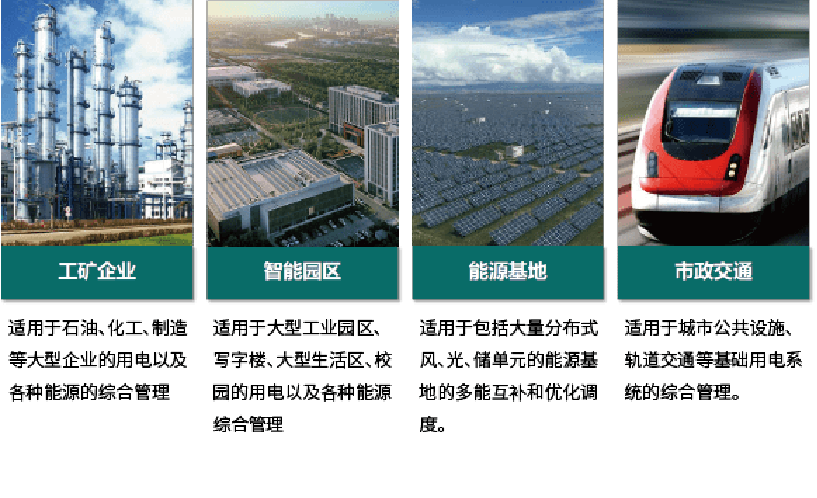
■ Scope of application